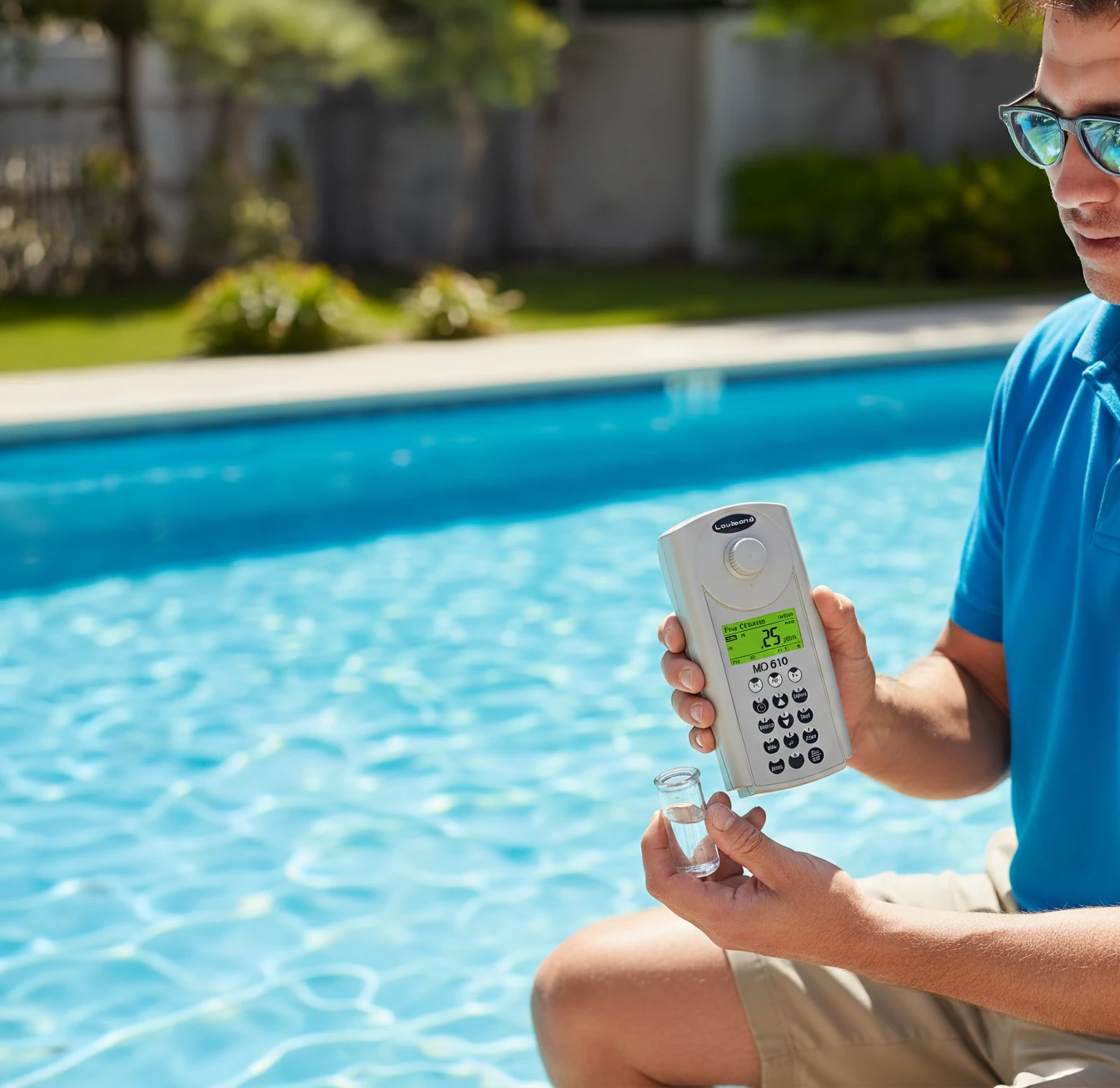
A portable photometer can be ready to work while its sample cell is not. Fingerprints, a damaged cuvette or a blank prepared differently from the sample can make a routine check harder to interpret. Before adjusting the instrument, work through the small parts of the method that travel with it.
This guide focuses on sample and cuvette handling. For instrument selection, start with our separate guide to choosing the right photometer.
Match the cell to the method
Check the instrument programme, specified cell type, sample volume and reagent instructions together. A cell that fits the chamber is not necessarily suitable for the selected method. Keep the current method instructions with the field kit so another operator can repeat the test without relying on memory.
Before filling, inspect the optical faces in good light. Look for scratches, clouding, residue and damaged caps. Follow the manufacturer's cleaning instructions and replace a cell that cannot be brought back into serviceable condition. An aggressive cleaner can create another problem if it attacks the cell or leaves a residue.
Prepare the blank with the same care
Zeroing and checking calibration are different tasks. The blank establishes the reference for the measurement; it does not prove that the complete procedure is performing correctly. Use the blank required by the specific method, rather than assuming every programme needs the same liquid.
If a method calls for an untreated sample blank, collect and handle it consistently with the sample being tested. If it specifies a reagent blank or another preparation, follow that instruction. Record any unusual colour or suspended material so the person reviewing the result knows what was present before the reaction.
Keep the optical path consistent
Fill to the prescribed volume, cap as directed and prepare the sample using the specified mixing technique. Check the outside of the cell before inserting it. Dry away droplets and use an appropriate lint-free cloth for fingerprints. Seat the cell correctly and follow any orientation mark or alignment instruction supplied with the instrument.
Bubbles and visible debris deserve attention, but do not improvise a treatment that changes the sample. Filtering, vigorous shaking or allowing solids to settle can change what is being measured. Use only preparation steps permitted by the method.
When a repeat result disagrees
Compare the two test records before changing settings. Was the same programme selected? Were the fill volume, reagent batch and reaction time the same? Was the blank remade? Was the second sample collected from the same point under comparable conditions?
A useful field note describes the difference rather than hiding it. Keep the original result, flag the repeat and document the investigation. If a check standard fails the site's acceptance criteria, follow the agreed procedure for affected measurements.
The portable photometer range is a starting point for discussing your methods with PMA. Our PMA News introduction to portable analysers explains the wider range of field-testing applications.
Frequently asked questions
Does zeroing replace a calibration check?
No. Zeroing sets the reference required by the programme. Verification uses suitable reference material and the site's documented acceptance criteria to check performance.
Can I use any cuvette that fits?
Use the cell specified for the instrument and method. Size alone does not establish optical or chemical suitability.
Should I filter a cloudy sample?
Only if the chosen method permits it. Removing particles can change the result and the meaning of the measurement.
What should go in the field record?
Include the sample point, collection and test times, instrument and programme, reagents, relevant quality checks and any departure from the normal procedure.
Contact PMA with your parameter, sample type and current method if you need help specifying a practical field kit.